
Remove rust, oil and green marks from pavers
Paver Stain Removal in Parrish, FL
Call (941) 207-3631 to have a local contractor identify and treat the stains on your Parrish pavers.
- Brings out deeper paver color
- Fresh joint sand helps lock pavers in place
- Gives weeds less room to grow
- Makes the surface easier to keep clean
- Free estimate, no obligation
Request a Free Estimate
Free, no obligation.
Who removes stains from pavers around Parrish?
A local contractor treats paver stains around Parrish, FL, and the first reply comes within 1 business day, often within the morning. Looking at the marks and pricing the work are free, and you can say no. To get on the list, call (941) 207-3631.
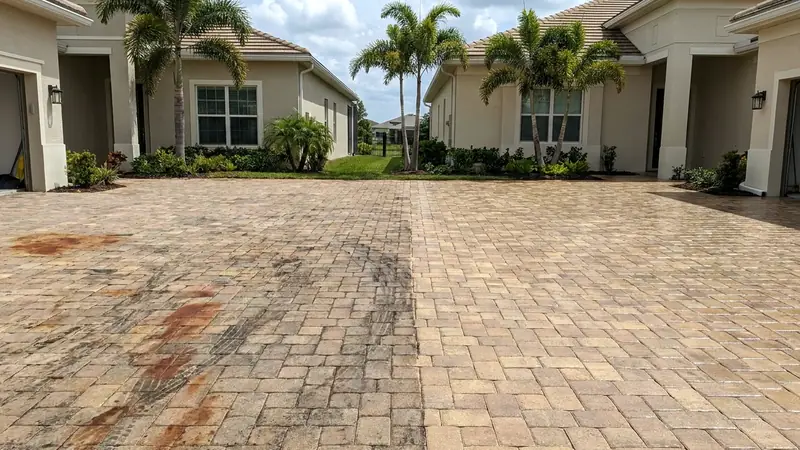
A stain tells you a good deal about its cause. Rust points to iron in water or a metal source, a dark ring points to oil and a green film points to damp shade. Treating the wrong cause only gets the stain back. Point out the worst spots when you request a free quote.
Which stain do I have on my pavers?
Cambridge Pavingstones lists a dozen kinds, and the common ones around a house are below. Naming the stain comes first because the treatment follows the cause. If you are unsure, send the form and describe the color, or call (941) 207-3631.
Rust and orange streaks
Often from sprinklers, patio furniture or fertilizer. Cambridge Pavingstones says rust may need repeated treatments.
Oil and grease
Prosoco says oil can sink below the surface, and the method depends on how bad and how deep it is.
Green, black or gray film
Mold, mildew and algae. Cambridge Pavingstones says organic stains respond to oxygen-based cleaners.
White haze
Often efflorescence, a mineral salt. Unilock says it is natural and often fades by itself.
Leaf and tannin marks
Cambridge Pavingstones says leaves leave a stain every year, so the cause comes back.
Paint, tire marks and mortar
Fresh paint is blotted, not wiped. Mortar is very hard to remove, and a paver may need replacing.
Why do rust stains keep returning on Parrish pavers?
The usual answer is the water. UF/IFAS says most Florida well water is high in iron, which leaves rust deposits on whatever it touches, including walls and plants. A sprinkler spraying a driveway edge can paint the same orange line again and again. Cambridge Pavingstones says to find the source first, whether sprinklers, furniture or fertilizer, because a clean surface will stain again if the cause stays. To have the source traced, request a free quote.
Cambridge Pavingstones also warns that a rust remover can damage sealer, so the order of work matters on a coated driveway. Ask the contractor how sealed pavers will be handled. For questions about your own rust marks, call (941) 207-3631.
Does oil on a paver driveway ever come fully out?
Sometimes, and speed helps. Unilock says to blot spills right away because unattended spills sink deeper. Prosoco says a surface degreaser can remove the film and reveal deeper stains hidden underneath, and a poultice that draws oil out can take 5 to 8 hours to dry. A bad stain may take a second treatment. To ask about a car's oil drip, call (941) 207-3631.
What is the process for removing a paver stain?
The process runs in a fixed order, and each stage can be repeated. Here it is as a contractor would walk you through it. To ask how yours would go, request a free quote.
1. Name the stain
Color, shape and location say whether it is rust, oil, organic growth or salt.
2. Test small
Cambridge Pavingstones says to test on one or two pavers first, in a spot that is hard to see.
3. Treat the cause
The cleaner follows the stain type, and the source of the stain is fixed so it does not return.
4. Rinse with care
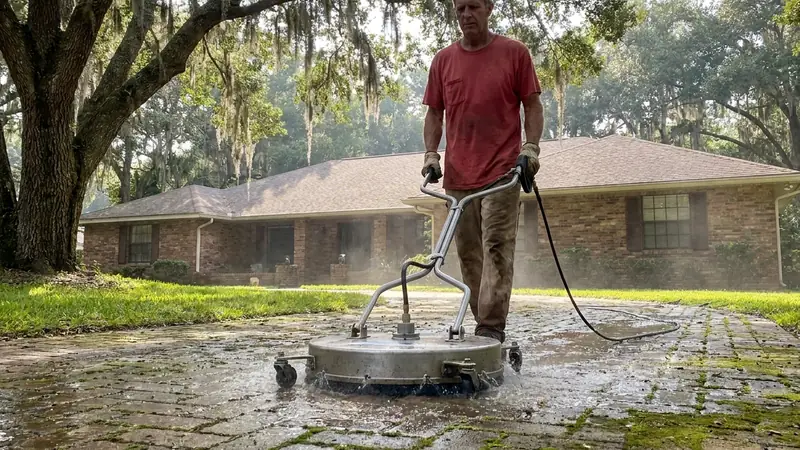
Unilock says a wrong pressure setting can crack pavers or blow out sand, and spray should stay at 30 degrees or less.
5. Refill and review
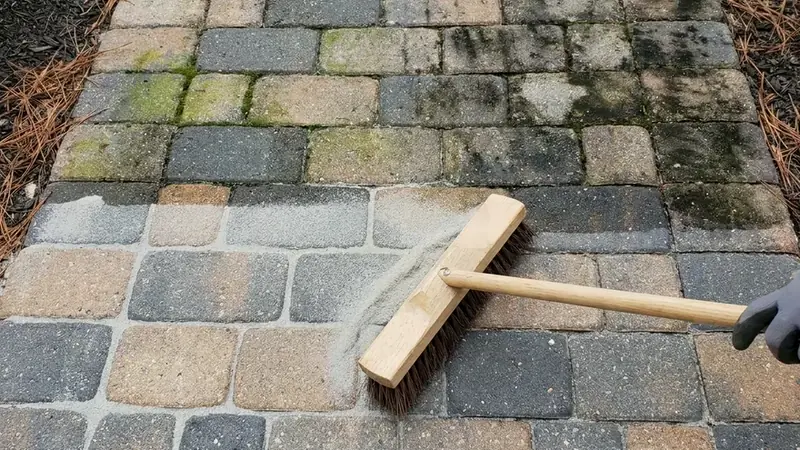
New joint sand goes in once the surface is dry, and the contractor shows you any mark that did not lift.
Should I seal pavers after the stains are gone?
A coat can help the next spill sit on top longer. Unilock says to seal only after cleaning and drying, since sealer can make remaining stains stand out. It also says unattended spills sink deeper, which is the reason to wipe a spill fast and not wait for a visit. Sealing is not stain-proofing, and the cost comes back in a few years. For a full wash and coat, the paver sealing guide has the numbers. To add it to a visit, call (941) 207-3631.
What does paver stain removal cost in Parrish?
No page read for this guide posts a rate for stain removal on its own, so the table is built from the published range for a full job. Patrick's Paver Sealing, a Southwest Florida company, says sealing a home typically costs $1 to $3 per square foot, and that labor, materials and sealer type set the final price. Stain work on a few spots is quoted after a look. For a written price, request a free quote.
Rust can need more than one visit and oil can need a poultice that dries for hours, so a contractor may price stains by spot or by area. Ask for the cost of each stain on its own line. To compare a quote with the range, call (941) 207-3631.
| Paved area | Example | Full clean, stain treatment, sand and seal at $1 to $3 a sq ft |
|---|---|---|
| 300 sq ft | Walkway and entry | $300 to $900 |
| 600 sq ft | Driveway with a few stains | $600 to $1,800 |
| 1,000 sq ft | Driveway and pool deck | $1,000 to $3,000 |
| A few spots | Rust or oil only | No rate published; quoted after a look |
The range is the one Patrick's Paver Sealing publishes for sealing a home. Stubborn stains, repeat visits and replacing a stained paver are extra.
Does the humid Parrish climate make stains worse?
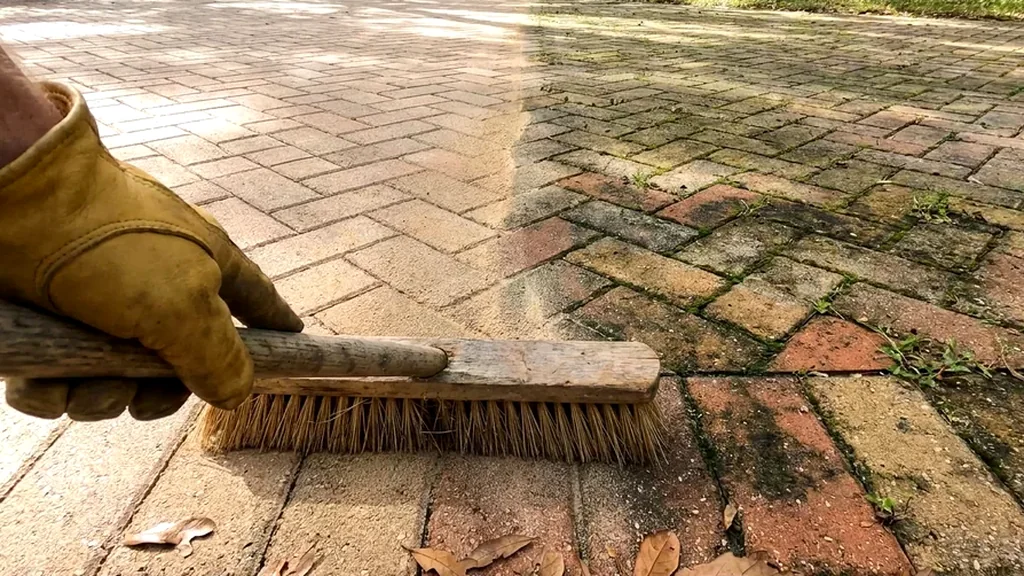
It makes organic stains easier to start. Wikipedia's climate table gives Parrish 99.7 days a year with measurable rain and 8 to 9 inches in each month from June to September. Shade and sprinkler spray keep pavers damp, and damp is what mold and algae need. Cambridge Pavingstones says organic stains respond to oxygen-based cleaners. A look before the rainy season catches growth early. To book one, request a free quote.
Can pressure washing alone remove a stain?
On surface dirt, often. On rust, oil that has sunk in or leaf tannins, usually not. Unilock warns that the wrong setting can crack pavers or blow sand from the joints, and that a wire brush can leave metal that rusts later. Cambridge Pavingstones says some stains cannot be fully removed, and the paver may need to be replaced. Ask the contractor what happens if a mark does not lift. To raise it, call (941) 207-3631.
Which spots on a Parrish property stain first?
Four places show marks first. The garage apron collects drips from cars, which is where oil begins. The edge nearest a sprinkler head collects iron streaks, since UF/IFAS says most Florida well water is high in iron. A walk under shade trees collects leaf marks, and Cambridge Pavingstones says those return every year. The pool deck collects green growth wherever it stays damp. Knowing which spot is yours tells the contractor where to start. To flag yours, call (941) 207-3631.
Patio furniture and planters matter too, because Cambridge Pavingstones lists metal furniture and fertilizer as rust sources. To have every spot walked in one visit, request a free quote.
Can a sealed driveway in Parrish still stain?
Yes. Sealer slows how fast a spill soaks in, and that buys time. TravertineMart makes the same point about stone, saying sealing does not make a surface stain-proof. Unilock adds that unattended spills sink deeper, so the minutes after a spill matter more than the coat. Cambridge Pavingstones warns that a rust remover can damage sealer, which means a sealed drive may need a fresh coat after a deep stain treatment. For a driveway that is already coated, call (941) 207-3631.
Some factory-sealed pavers add another layer. Unilock says its EasyClean pavers are sealed at the factory, which slows stains from soaking in, and that no extra sealer is needed on them. Mention what you know about the make when you request a free quote.
What about the white haze on newer Parrish pavers?
A white haze on newer pavers is often efflorescence, a mineral salt. Unilock calls it a naturally occurring phenomenon that is often temporary and may fade by itself. Unilock says to clean the salt deposits and let the surface dry before any sealer goes on, so the contractor decides whether to wait or treat. If your pavers are newer, tell the contractor the install date when you call (941) 207-3631.
How do I get the stain visit started in Parrish?
Describe the stain by color and place, then add how long it has been there. A contractor who works around Parrish can usually say from that whether it is rust, oil or growth. The paver cleaning guide and the restoration guide cover the jobs that often come with it. To send the details now, request a free quote.
To describe the marks by phone instead, call (941) 207-3631. The contractor will test a small area first, tell you what should lift and say plainly what may not.
Which towns near Parrish can book paver stain removal?
Estimates reach across Manatee County and the places listed below. Choose a town to read its page, or call (941) 207-3631 if yours is not shown.
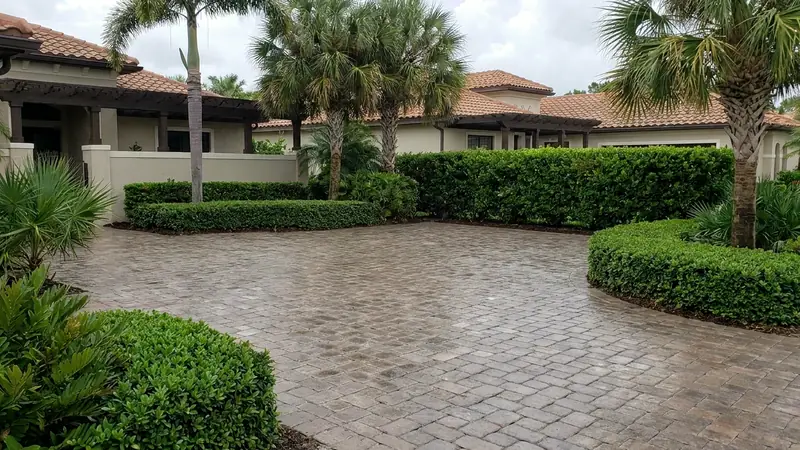
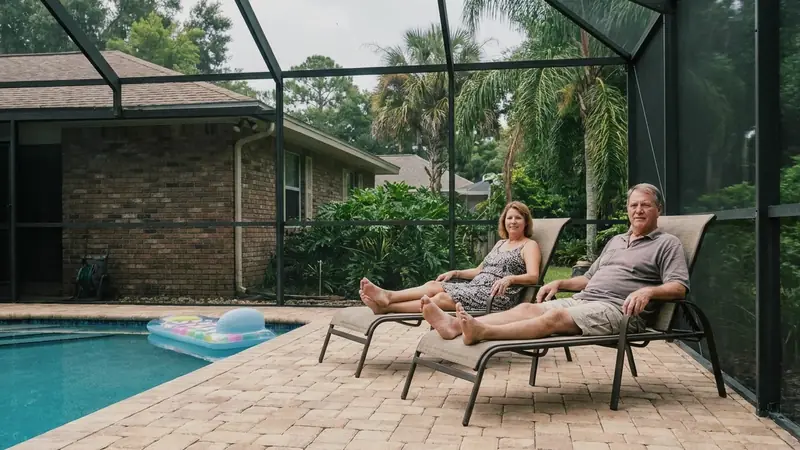
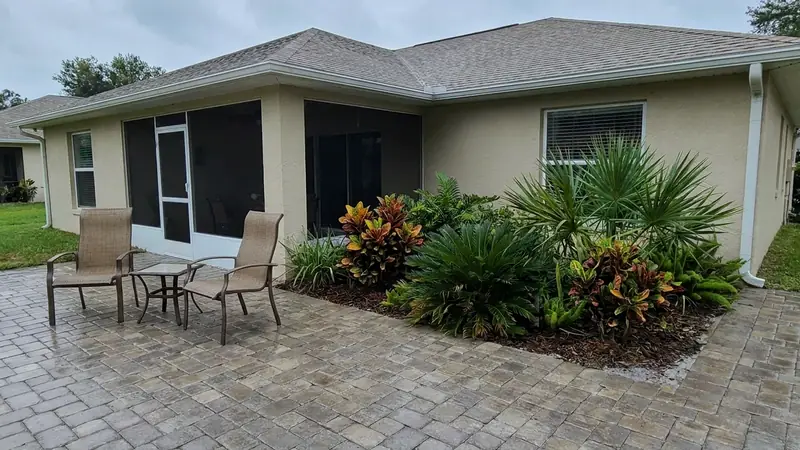
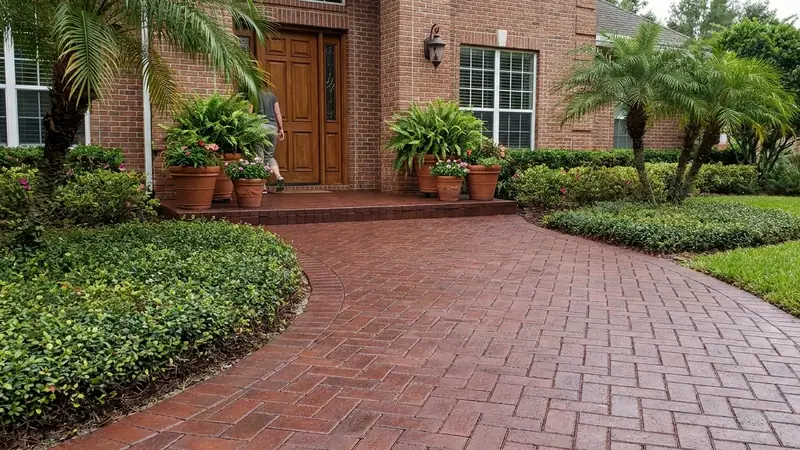
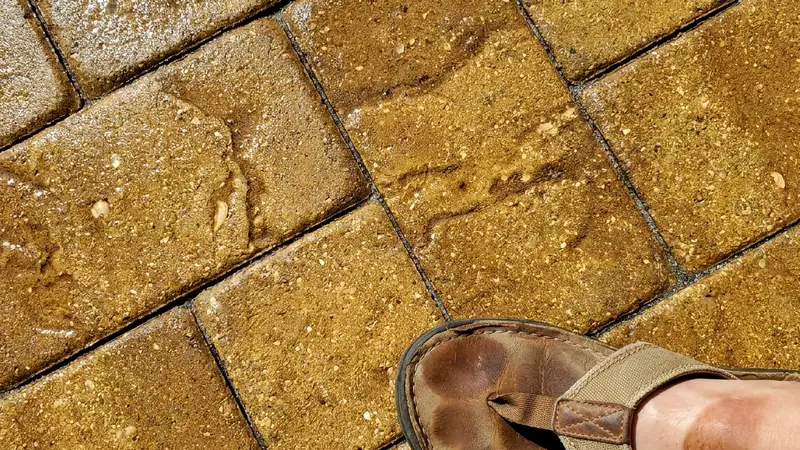
What do cleaned pavers look like near Parrish?
What do Parrish homeowners ask about paver stains?
What is an effective organic stain remover for pavers?
Cambridge Pavingstones says mold, mildew and similar organic stains respond to oxygen-based cleaners, followed by rinsing. A contractor chooses the product after testing one or two pavers, since the wrong one can harm the surface or the sealer.
Is it a good idea to pressure wash pavers?
Yes, with the right settings. Unilock says a bad setting can crack pavers, erode the surface or blow joint sand out, and it keeps the spray angle no steeper than 30 degrees. New sand goes back in afterward.
Can I pressure wash patio pavers?
Usually, but only with care. Unilock warns against wire brushes because metal particles can stay behind and rust, and against spraying joints hard. A contractor sets pressure for the stone or paver in front of them.
How to pressure clean pavers?
Keep the nozzle moving at a shallow angle and away from the joints, per Unilock. The settings, the cleaner and the sand refill are the parts a contractor handles, so ask about each when you request a quote.
How much should I pay for paver sealing?
Patrick's Paver Sealing, a Southwest Florida company, says $1 to $3 per square foot is typical for a home. Stain treatment on a few spots is priced after a look, because no local company publishes a rate for it.
Is sealing your pavers worth it?
For stains, it can be. Unilock says sealed pavers resist spills longer, and that unattended spills sink deeper. A coat does not make pavers stain-proof, and a rust remover can damage it.
Why do my Parrish pavers have orange streaks?
Suspect iron in the water. UF/IFAS says most Florida well water is high in iron and leaves rust deposits where it lands, and Cambridge Pavingstones names sprinklers, furniture and fertilizer as sources. Fix the source or the streaks come back.
Will a stain come out of my pavers completely?
Not always. Cambridge Pavingstones says some stains cannot be fully removed, and a stained paver may then be replaced. Mortar is called very hard to remove. A contractor can tell you what to expect after a test spot.
Do leaf stains come back each year?
They tend to. Cambridge Pavingstones says leaves cause the stain every year, so the choice is to live with it, treat it each season or deal with the tree. A sealer eases cleanup but does not end it.
Tired of looking at that stain?
Phone, or send a photo description through the form, and a contractor writes back inside 1 business day.
Free, no obligation