
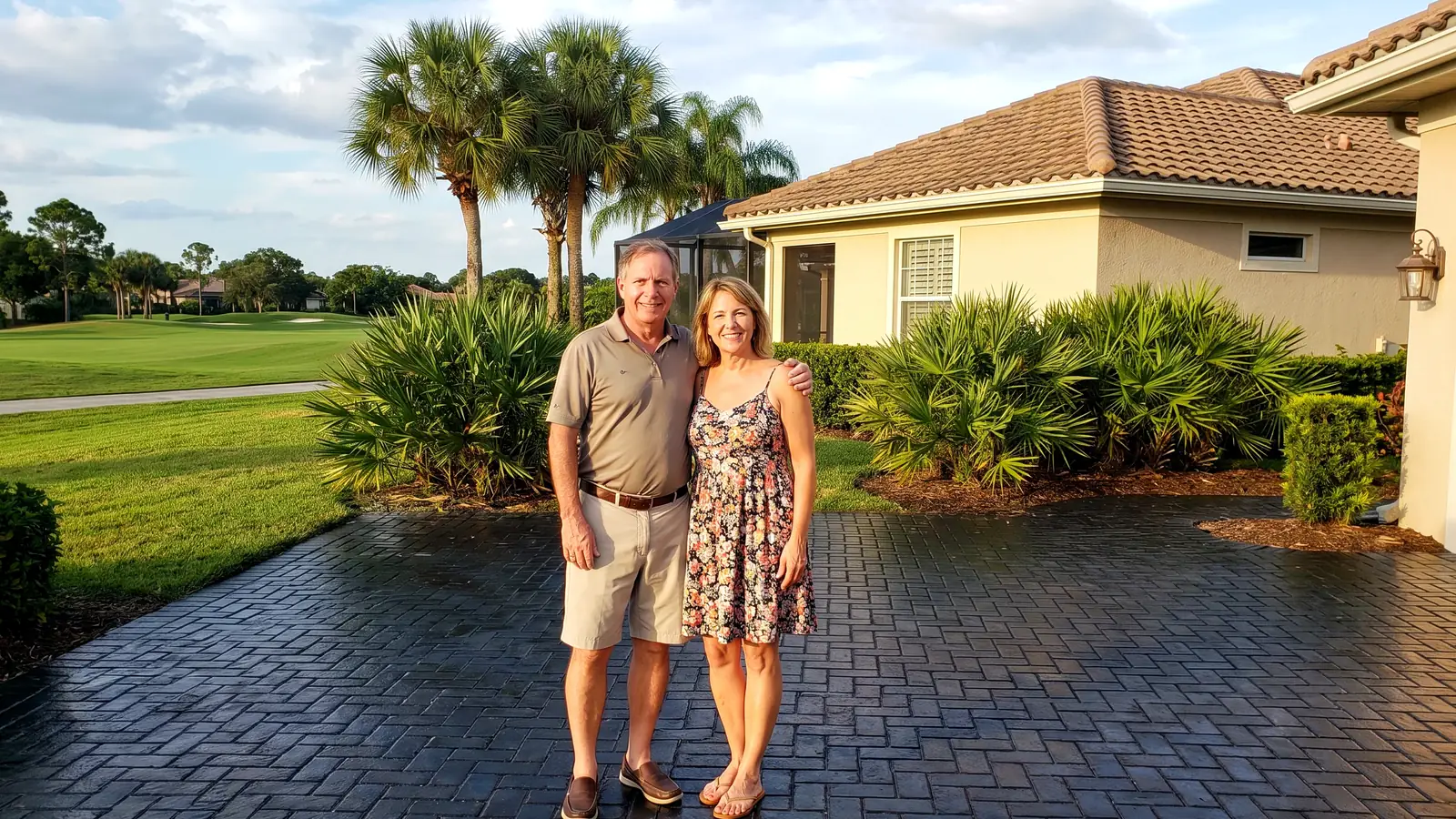
Paver sealing for Progress Village homes
Paver Sealing in Progress Village, FL
Progress Village homeowners near Simmons Bowers Park can book a free paver sealing estimate by calling (941) 207-3631.
- Brings out deeper paver color
- Fresh joint sand helps lock pavers in place
- Gives weeds less room to grow
- Makes the surface easier to keep clean
- Free estimate, no obligation
Request a Free Estimate
Free, no obligation.
Fast, careful paver sealing in Progress Village
Paver sealing is available in Progress Village, on the streets between Interstate 75 and County Road 573. Driveways, walks and patios can be washed, re-sanded and sealed by a local contractor, and the estimate is free. Submit the request a free quote link and an answer usually comes inside 1 business day, often sooner.
Think of the walk to your front door, gray along the edges, with grass pushing up between the pavers. A wash, new sand and a clear coat bring the surface back to one steady color. Your Progress Village home looks cared for again, and if you prefer to talk first, call (941) 207-3631 and say what you see.
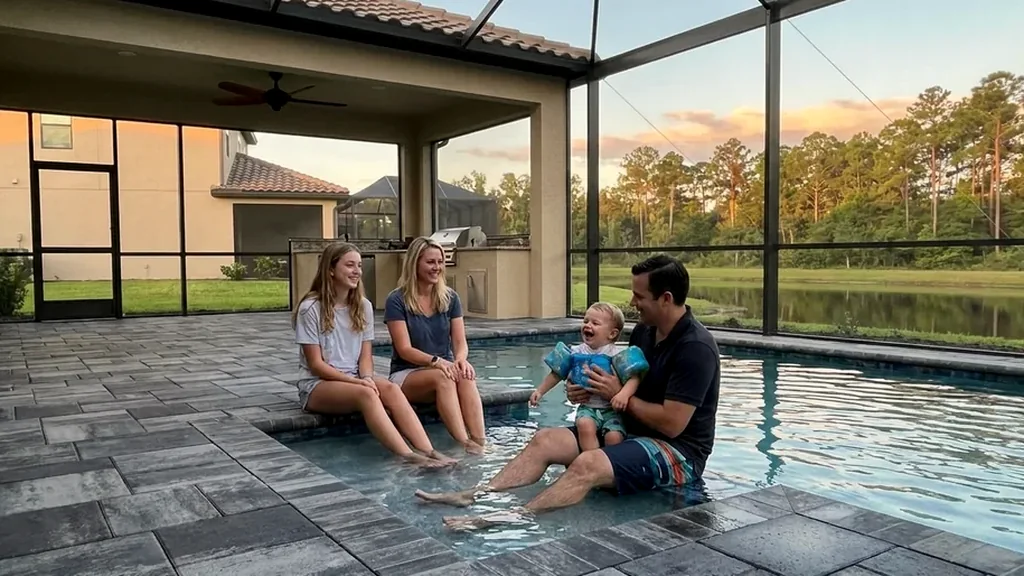
Why hire a local paver sealing contractor in Progress Village?
Many Progress Village homes were built in 1960 and the years after, and families here have kept up their yards with pride for generations. A local contractor understands that, so request a free quote and ask for a plain, fair estimate.
A free walk-through
The contractor looks at your pavers, measures them and gives you a price on paper. The visit is free.
A price range to check
The usual published rate here is $1 to $3 per square foot, covering the wash, the sand and the sealer. Hold any Progress Village quote up against it.
Small jobs count
A front walk, a porch pad or a small patio can be sealed. Ask whether a minimum charge applies before you book.
No pressure
You choose the finish and the date. A reply comes within 1 business day, and an estimate does not bind you.
Get Your Free Estimate in Progress Village
Tell us about your pavers in Progress Village.
Free, no obligation
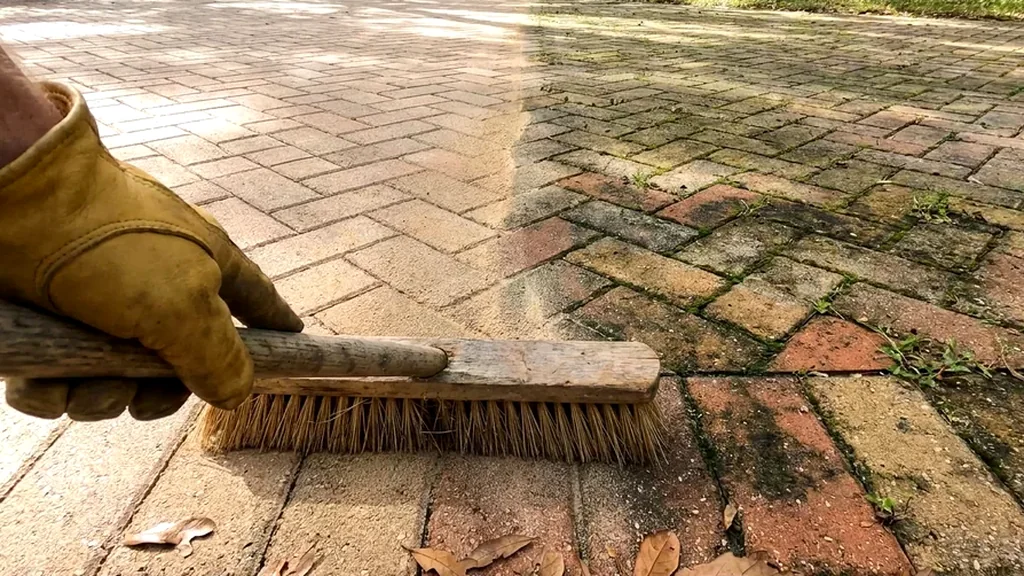
What paver problems show up most in Progress Village?
Weeds and open joints along walks
Landscape Ontario says lost joint sand lets joints widen, soil settle in and weeds follow. Hillsborough County's rainy season runs May 25 to October 10, and storm runoff washes sand out of joints fast. Refilling the joints after a wash, then sealing, keeps them full. A tight line also makes a walk look cared for. Ants use open joints too, and a walk with empty seams near the steps is a likely spot. Sand is the cheapest part of the repair. Skipping it lets the border pavers lean and shift over a season or two. A lawn edger run along a paver edge can also chip the border, so mention it if that is your habit.
Green film where the ground stays damp
Moss and algae should not grow on pavers unless the area is heavily shaded, says Landscape Ontario. Shade from a tree or a roof edge holds moisture, and Hillsborough County soils stay wet for long stretches. A green film on a walk can also be slick. Washing clears the film, and a coat of sealer helps keep it from coming back fast. The north side of a house and the shade beside a fence stay damp longest. A quick look at where your walk dries last tells a contractor where to focus. Sweeping off leaves between washes helps, but it will not clear the film itself. Pressure alone can scatter joint sand, so a gentle wash is the safer way to clear it.
Orange rust from irrigation
University of Florida says most Florida well water is high in iron and leaves orange streaks. Sprinkler spray that reaches a driveway or walk can mark it in a few weeks. Rust must be treated before sealing, because sealer would hold it in place. Moving the spray off the pavement keeps it from coming back. A dotted pattern of orange near the sprinkler heads is the usual sign. On a light paver the stain can look brown. A contractor can usually tell on sight whether it is rust or just dirt. A contractor can also test a corner first to see how the stain responds.
Settling on sandy, wet ground
Myakka sand is the most common soil in Hillsborough County, and it drains fast but sits in a high water table. Progress Village is only 16 feet above sea level. Pavers near a low corner can sink and hold water. They should be reset before any sealer is applied. Rocking pavers also feel loose underfoot, which makes a walk less safe. Fixing them first means the sealed surface stays flat. The reset is quoted on its own line so you can decide. Rain that pools against a garage door is a sign the grade has shifted.
Fading on sunny driveways
Full sun fades the color on an open driveway faster than on a shaded walk. Sealer protects color, and a wet look deepens it, though that finish shows scuffs sooner. Matte keeps a plain, natural look that wears quietly. A contractor can show the options on a sample board. Cars parked in the same spot every day wear the finish there first. Oil drips can darken a bare paver, and sealing helps keep drips from soaking in. A wash before sealing lifts fresh drips, though old ones may only fade. Ask for a finish that grips underfoot if the drive slopes.
What are the homes in Progress Village like for paver work?
Progress Village began in 1960 as a place where Black families could buy affordable homes, and WUSF reports the original houses had similar layouts. Many lots have a short driveway and a front walk, which makes the work easy to measure. If you have pavers at the front door or on the drive, request a free quote.
The community stretches between Interstate 75 and County Road 573, with the Palm River-Clair Mel area to the north and Riverview to the east. Simmons Bowers Park and the Emmanuel P. Johnson Community Center anchor many events. Give the contractor your street and the nearest cross street when you call (941) 207-3631.
Over 11,000 people live here now, and about a third of households have children, so driveways see heavy daily use. Bikes, basketballs and cars all wear the surface. Sealing keeps joints full and color even through all of that. Tell the contractor how the drive gets used when you request a free quote.
What does paver sealing cost in Progress Village?
The usual published rate here is $1 to $3 per square foot, covering the wash, the sand and the sealer. A short walk and a small drive cost less in total than a large patio. The range sets the rate, and your measured size sets the total, so a measured quote is the only real number. For your figure, request a free quote.
Condition changes the quote. Rust, old sealer, weeds and settled pavers all add time. Ask whether a small job carries a minimum charge. Call (941) 207-3631 to set up a free visit, and you will get the real number.
| Paved area | Typical example | Clean, sand and seal |
|---|---|---|
| 300 sq ft | Small patio or walkway | $300 to $900 |
| 600 sq ft | Two car driveway | $600 to $1,800 |
| 1,000 sq ft | Large driveway or pool deck | $1,000 to $3,000 |
| 1,500 sq ft | Driveway plus pool deck | $1,500 to $4,500 |
Math based on the $1.00 to $3.00 per square foot that Southwest Florida paver companies publish. Your contractor sets the actual price after seeing the surface. Repairs, leveling and stripping failed sealer are usually extra.
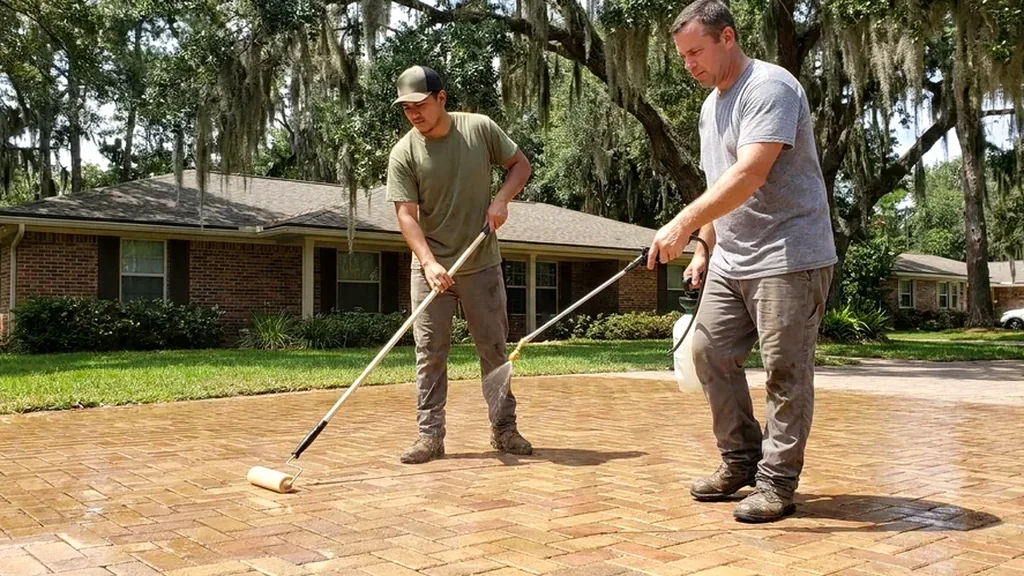
How does a paver sealing job work in Progress Village?
Measure the pavers
Every paver area, from the drive to the patio, is walked and measured. Rust, weeds, low spots and old sealer are written down. Photos sent ahead help the contractor plan the visit, and the walk-through usually takes under an hour. Anything unusual, like a past repair, is worth mentioning here.
Clean the surface
A wash lifts dirt, green film and old residue. Stains get their own treatment, and the wash pulls loose sand from the joints. A rinse follows, so loosened dirt does not dry back onto the surface. Plants and doors are covered first. A second pass over any dark corners makes the color look even once it dries.
Dry and level
Pavers must be dry, so the contractor waits after rain. Low or rocking pavers are reset while the surface is open. Shaded stretches take longest to dry, so the contractor checks them last. Rushing this step is how a cloudy finish happens. Damp joints that are sealed over can turn cloudy, which is why this wait matters.
Fill the joints
Fresh sand goes into every joint and is swept clean. Full joints hold the pavers and make it harder for weeds to root. Edges and borders get extra attention, because they lose sand first. Any joint that settled gets topped up. Fresh sand also gives the sealer something firm to lock in place.
Apply the sealer
Sealer goes on in even coats in your chosen finish. You get a time to keep cars and feet off. A second coat goes on if the pavers drink the first one fast. The contractor then tells you when sprinklers can run again. Sealer needs time to cure before heavy use, and shade slows that.
Complete paver services in Progress Village
A typical job starts with a wash that lifts dirt, algae and the old film. The wash also pulls out some joint sand, so the contractor refills the joints once the pavers are dry. Sealer goes on last, which means the finished surface is clean, full and protected. To see this laid out in writing, request a free quote.
Driveways, front walks, porch pads and back patios each wear differently. Walks in shade grow green film, and driveways in sun fade. A pool deck needs a finish that is safe when wet. Call (941) 207-3631 and say which surfaces you want done.
Matte looks natural, and a wet look deepens color but shows scuffs sooner. A water-based sealer cannot go over a solvent-based one, so tell the contractor what is on your pavers. A coat is quoted to last two to five years. To choose, request a free quote.
Weather decides the date. Sealer cannot go on wet pavers, and the wet season lasts from late May to early October. A dry stretch is the target, and the contractor will say when the pavers are ready. Call (941) 207-3631 to plan a day.
Questions to ask before you hire
- Can you work around my screen enclosure and potted plants?
- How soon after my call can someone look at the job and give a number?
- Will the sealer leave a glossy wet look, or can I choose a natural matte finish?
- Will the sprinklers need to be off, and for how many hours?
- Will afternoon storms push the job back, and how do you tell me about it?
- What happens to the weeds and moss growing between my pavers before sealing?
- How long do I keep cars off the driveway after the sealer goes down?
What do sealed pavers look like around Progress Village?
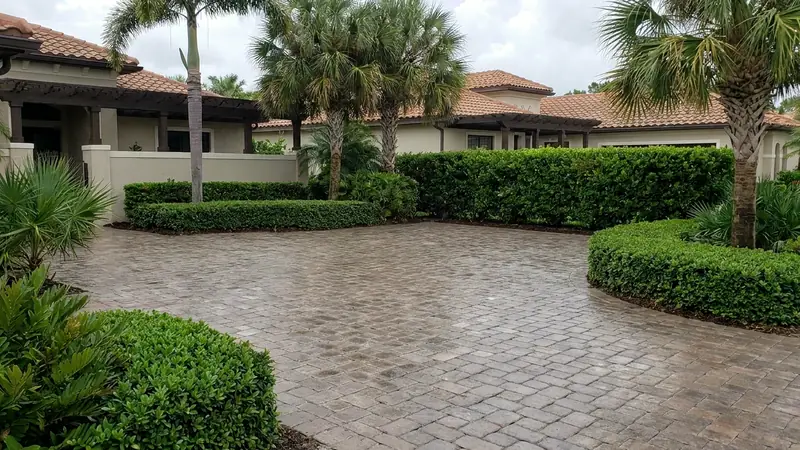
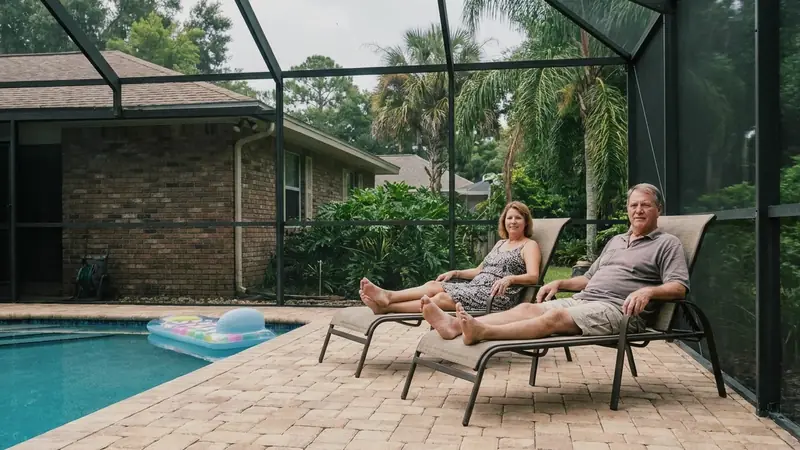
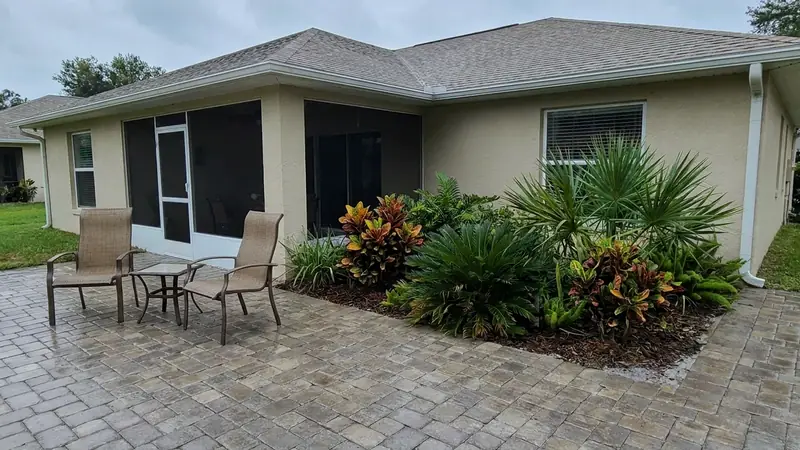
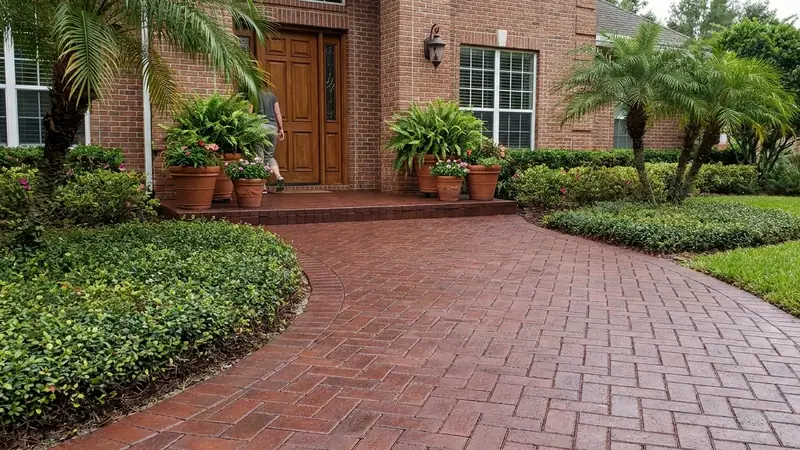
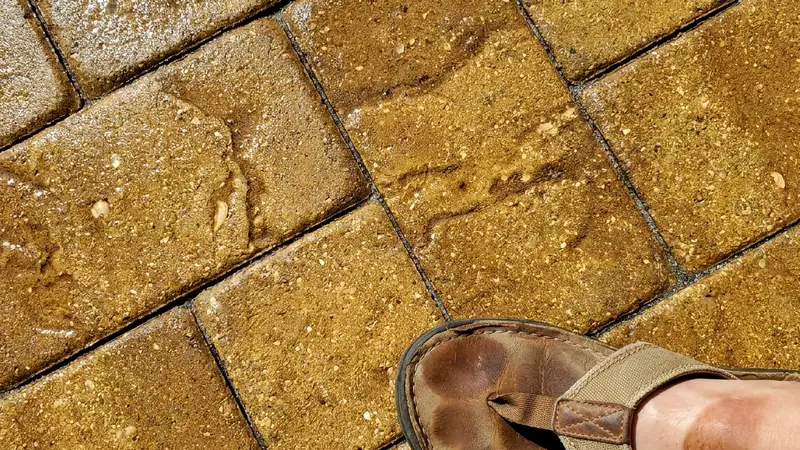
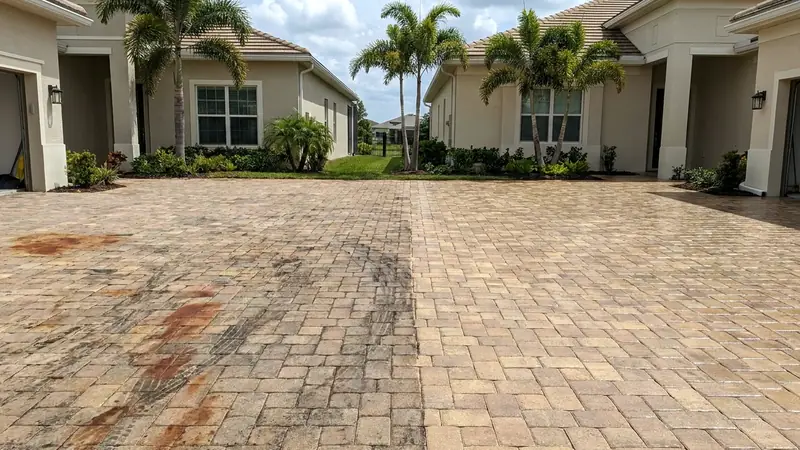
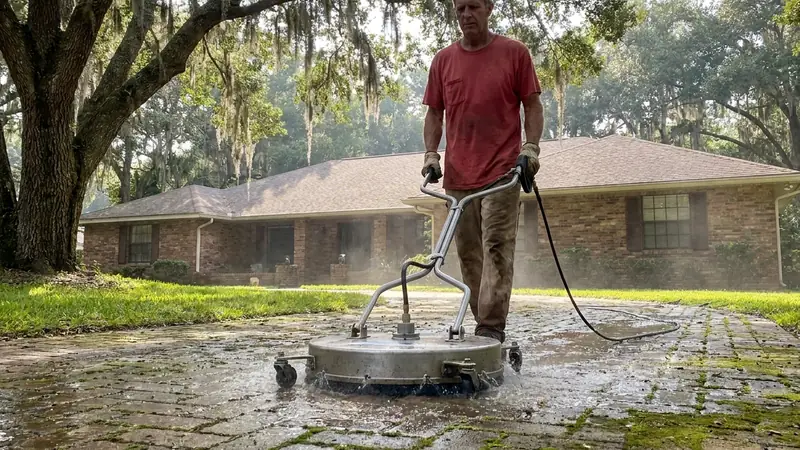
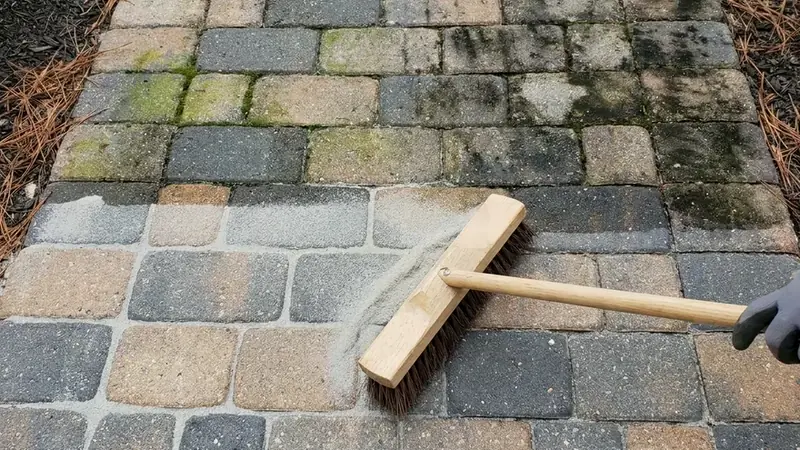
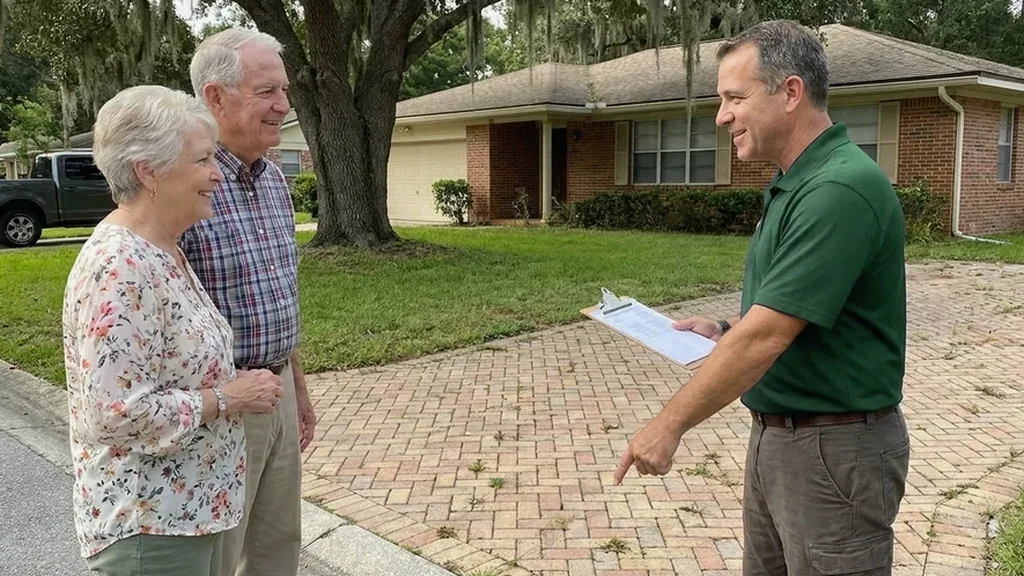
Why local matters in Progress Village
Progress Village has a strong community identity, and neighbors look out for one another. A contractor who works nearby respects that and is easy to reach after the job. That means questions get answered fast, and a return visit is simple to arrange. To start, request a free quote.
A local contractor also knows the ground and the weather here. Afternoon storms can end a sealing day, and low yards hold water. A nearby crew can reschedule without a long delay, which matters when you have guests coming. Call (941) 207-3631 to talk timing.
You should know who is working on your home and what the plan is. A local contractor can explain each step at your door and answer questions about the finish. Ask for the plan in writing, then decide at your own pace. If you are ready, request a free quote and describe the pavers you want done.
What is the story behind Progress Village?
Progress Village was planned in the late 1950s so Black families could own homes just outside Tampa's city limits. The first families moved in around 1960, and early residents had no street lights, bus service or telephones until they formed the Progress Village Civic Council. For a price on your pavers, request a free quote.
Today the community has parks, churches and schools, and residents mark the founding each year. Simmons Bowers Park and the Emmanuel P. Johnson Community Center are local gathering places, and a park once held a tutoring center the county expanded. Call (941) 207-3631 to book a paver estimate anywhere in Progress Village.
Frequently Asked Questions
How much should I pay for paver sealing in Progress Village?
The usual published rate here is $1 to $3 per square foot, covering the wash, the sand and the sealer. Size, condition and finish drive the total. Have each step written on the quote. Ask for the figure in writing before the date is set, so there are no surprises.
How often should you reseal pavers in Florida?
Reseal every two to five years, by area quotes. Sun, storms and heavy use push it toward the short end. Only a visit shows what your pavers need. Water that no longer beads on the surface is a plain sign the coat is thin.
Is sealing your pavers worth it in Progress Village?
Often yes. Sealing holds joint sand, slows weeds and ants and protects color from the sun. How much it helps depends on the age and shape of your pavers. A free estimate shows what your pavers need before you spend anything.
Is it better to spray or roll paver sealer?
Both work, and many contractors spray and then roll. Spraying covers large areas quickly, while rolling works sealer into the joints and gives more control near plants and walls. Ask your contractor which method will be used on your pavers.
How much does it cost to seal outdoor pavers in Progress Village?
Published rates sit at $1 to $3 per square foot to clean, sand and seal. A small walk costs less in total than a large patio. A free visit gives a measured price. Rust, weeds and old sealer can add to the price, so mention them when you call.
Can small jobs like a front walk be sealed?
Yes. Small areas are common. Ask whether a minimum charge applies. A walk and a driveway done together often make the visit worth it for both sides.
Will summer storms delay my Progress Village paver job?
They can. Sealer cannot go on wet pavers, and the wet season lasts from late May to early October. The contractor waits for dry pavers and tells you if the date moves. Mornings after a dry night are a good time to start.
Can sealing remove orange rust stains from sprinklers?
No. Rust has to be dealt with first, since sealer would lock it in place. Iron in irrigation water is what leaves the orange streaks, University of Florida says. Adjusting the sprinkler heads keeps it from coming back.
How long before I can walk or drive on sealed pavers?
People can usually walk on it within hours, and cars wait longer. The wait varies with the product and the forecast. You will hear when the drive can take a car again. Shade and humidity can slow the cure, so shaded walks may take longer.
Why do weeds grow between my Progress Village pavers?
Weeds take hold once joints lose their sand and dirt fills the gap. Summer downpours wash sand out, and open joints give seeds room to sprout. Refilling the joints and sealing them makes it harder for weeds to take hold. Ants tend to follow weeds, so full joints help with both.
Do I have to move cars and furniture before sealing?
Yes, the surface must be clear. Clear cars, planters and chairs before the visit, and ask how long they stay off after. The wait depends on the sealer and the weather, and shaded spots take longer.
What happens to the old sealer on my pavers?
It depends on what is there. A water-based sealer cannot go over a solvent-based one, and peeling coats may need to come off first. Tell the contractor what you know about the past work, and a small test patch can help. The contractor can describe the plan before any work starts.
Nearby areas we serve
Ready for a Free Estimate in Progress Village?
Call (941) 207-3631 and tell us about your pavers.
Free, no obligation