
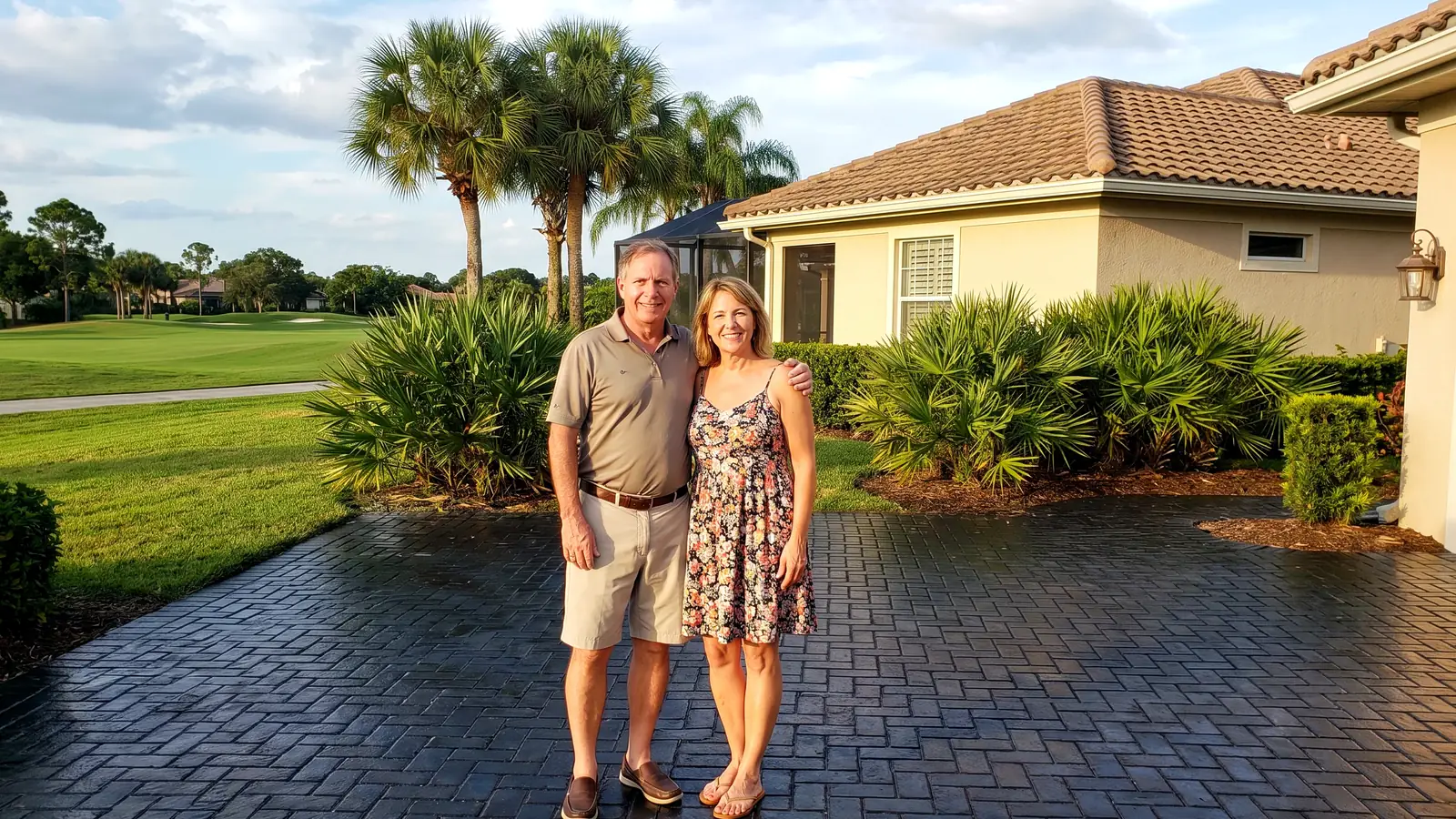
Paver sealing for Bayshore Gardens homes
Paver Sealing in Bayshore Gardens, FL
Call (941) 207-3631 for a free look at pavers added to a Bayshore Gardens home built in the 1950s.
- Brings out deeper paver color
- Fresh joint sand helps lock pavers in place
- Gives weeds less room to grow
- Makes the surface easier to keep clean
- Free estimate, no obligation
Request a Free Estimate
Free, no obligation.
Fast, careful paver sealing in Bayshore Gardens
Paver sealing for Bayshore Gardens homes begins with a free visit from a local contractor, wherever you live, near U.S. 41 or on a street along Sarasota Bay. The contractor washes, re-sands and seals drives, patios and pool decks. Call (941) 207-3631 for an answer within 1 business day, and usually much sooner.
The color you remember from the day the pavers went in is probably still there under the film. A wash lifts the film, new sand firms the seams and a coat keeps it from coming straight back. To ask about your own drive, you can request a free quote.
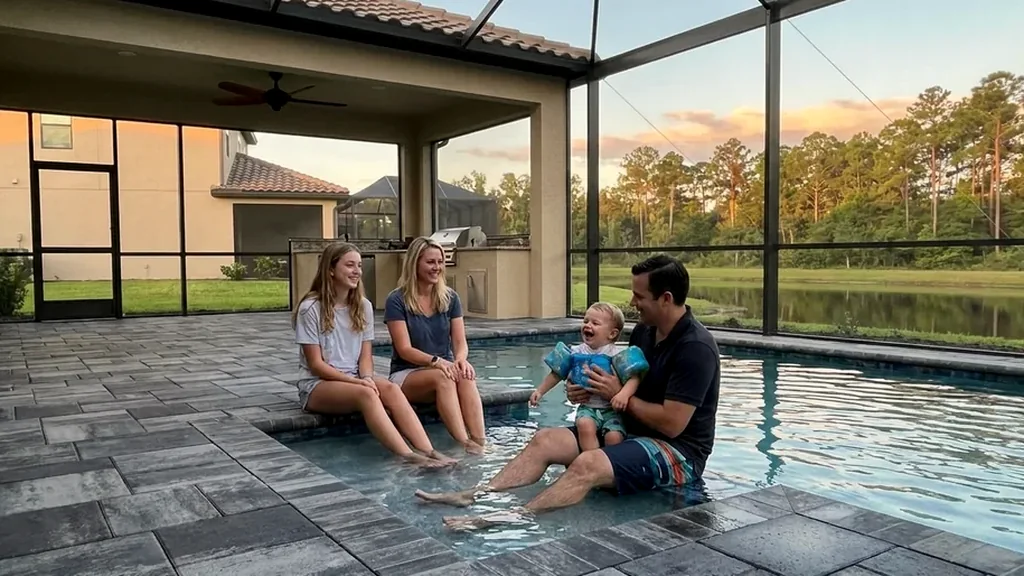
Why hire a local paver sealing contractor in Bayshore Gardens?
Bayshore Gardens was sold as a planned community in 1956, and most of its pavers were added after the houses stood. A contractor who knows that treats each lot like a remodel. To talk through yours, request a free quote.
Look first, price second
A contractor visits your Bayshore Gardens lot, checks what is down and gives you a number. Saying no costs nothing.
What the market publishes
Around Southwest Florida the going range is $1 to $3 per square foot, covering the wash, the sand and the sealer.
A finish that fits mid-century lines
A natural-looking matte keeps a 1950s front calm. Wet look adds depth and picks up scuffs faster.
Humidity gets a vote
Sealer will not bond to damp pavers, so bay air and summer storms help set the date.
Get Your Free Estimate in Bayshore Gardens
Tell us about your pavers in Bayshore Gardens.
Free, no obligation
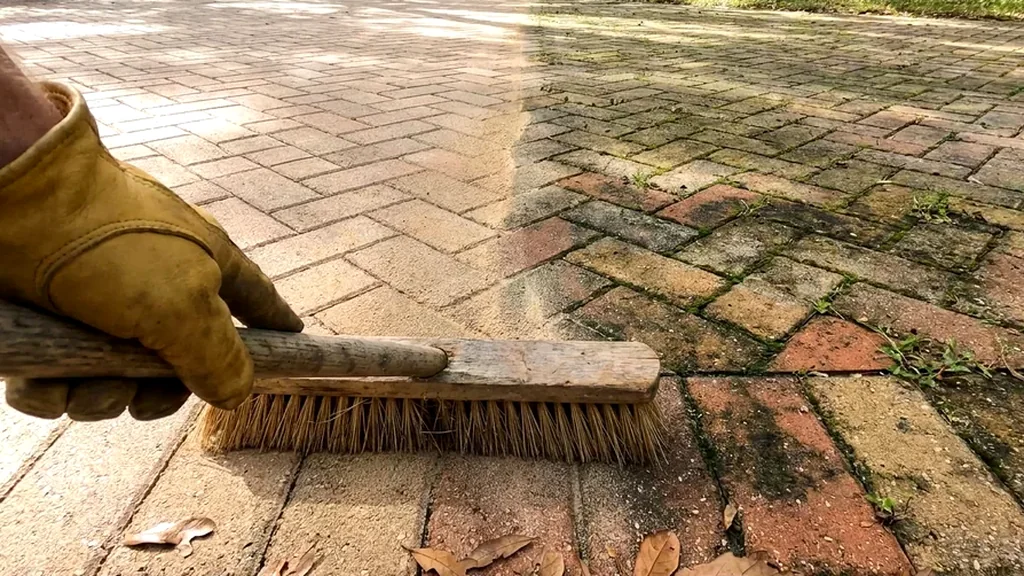
What paver problems show up most in Bayshore Gardens?
Pavers added to a 1950s lot
The first Bayshore Gardens homes sold in 1956, with prices from $8,000 to $15,000, so pavers on a drive or patio were nearly always added later. Different owners laid them in different years, often with different sealers. That mix matters because water-based sealer cannot go over solvent-based sealer. The contractor tests the old coat before choosing a product. Patches laid in different years will also differ in color, which a fresh coat helps even out. By April 1958 there were 400 homes, all drawn by one architect, so the original lots share a plan even if the pavers do not.
Bay-side damp and green film
Sarasota Bay forms the southwest edge, and the neighborhood sits at about sea level. Bay humidity and shade from older trees can help moss and algae settle in. A paving guide says these grow on pavers mostly where shade is heavy. Clear them in the wash, because sealer would trap them. A north wall or a screen cage corner is the first place to check, because the sun rarely dries it. Bowlees Creek runs along the southeast edge, so water is close from more than one side. Mold and mildew follow the same damp, so a patio next to a screen is worth a look. The district runs a marina and a boat ramp, which says plenty about how close the water is.
Rust from wells and sprinklers
One restored Bayshore Gardens home came with its own water well. The University of Florida says most Florida well water is high in iron, and iron-rich irrigation leaves orange streaks. Pavers near a lawn edge show this first. Rust is handled in the wash, ahead of any coat. If you have a well, say so when you ask for a quote, and the contractor can plan the stain treatment. Sealed pavers also rinse clean more easily afterward. If you are unsure what your sprinklers draw from, ask a neighbor or check the pump. Pavers by a vegetable bed or a herb garden pick up the same stain.
Joint sand lost to summer rain
Bradenton, next door, gets 56.28 inches of rain a year over about 114 days. That much water carries sand out of paver joints. Open joints let weeds and ants in, and sealer cannot hold sand that has gone. The joints get refilled after the wash. After a stormy summer, a quick look at the joint lines tells you whether sand needs to go back in. Joints that look low after the wet months are the sign to watch for.
Fading on open carport drives
A long open drive can bake in the sun all day. Sun, heavy rain and frequent use all wear on pavers, one Manatee County company says. A fresh coat in one finish brings color back and slows the next round. Look at the color where a car or a mat has shaded the surface, since the contrast shows how much has faded. A fresh coat in one finish helps the edges and the middle read as one surface. The 2020 Census counted 10,632 homes here, and 26.9 percent of residents were 65 or older, so a low-maintenance surface matters to many owners.
Does sealing differ between the waterfront and the inland streets of Bayshore Gardens?
Often, yes, because the waterfront and the inland blocks were built differently. Arrow Home Builders put up larger custom homes on the waterfront, while the first 400 homes were all Wilkinson designs. Bay-side lots may deal with more humidity and open sky. Tell the contractor if your lot is bay-side or inland when you request a free quote.
The original 1956 models carried names like Seagrape, Gladiola and Bird of Paradise, and Richmond Homes added designs such as the Cayman, the Tarlton and the Windward. Each style has its own driveway shape and entry. A contractor may measure a narrow carport drive differently from a wide corner lot. Call (941) 207-3631 and mention the model, if you know it.
Pavers around the district pool, the marina and the ball field belong to the community. Your own pavers do not. Check with your association or district before any change to common areas. For your own driveway, patio or pool deck, you can request a free quote and ask about the finish that suits your house and the street.
What does paver sealing cost in Bayshore Gardens?
Where a Bayshore Gardens job lands in the published $1 to $3 per square foot range depends on rust, green film and any old coat that has to come off. That range, common across Southwest Florida, covers the clean, sand and seal. Each surface adds to the total. For a figure on your lot, request a free quote.
Lot shape matters too. A long carport drive is quick work, while a patio behind a cage or a waterfront yard with a narrow side path needs more hand work and rinsing. Describe the layout when you call (941) 207-3631, and the contractor can flag the extras early.
| Paved area | Typical example | Clean, sand and seal |
|---|---|---|
| 300 sq ft | Small patio or walkway | $300 to $900 |
| 600 sq ft | Two car driveway | $600 to $1,800 |
| 1,000 sq ft | Large driveway or pool deck | $1,000 to $3,000 |
| 1,500 sq ft | Driveway plus pool deck | $1,500 to $4,500 |
Math based on the $1.00 to $3.00 per square foot that Southwest Florida paver companies publish. Your contractor sets the actual price after seeing the surface. Repairs, leveling and stripping failed sealer are usually extra.
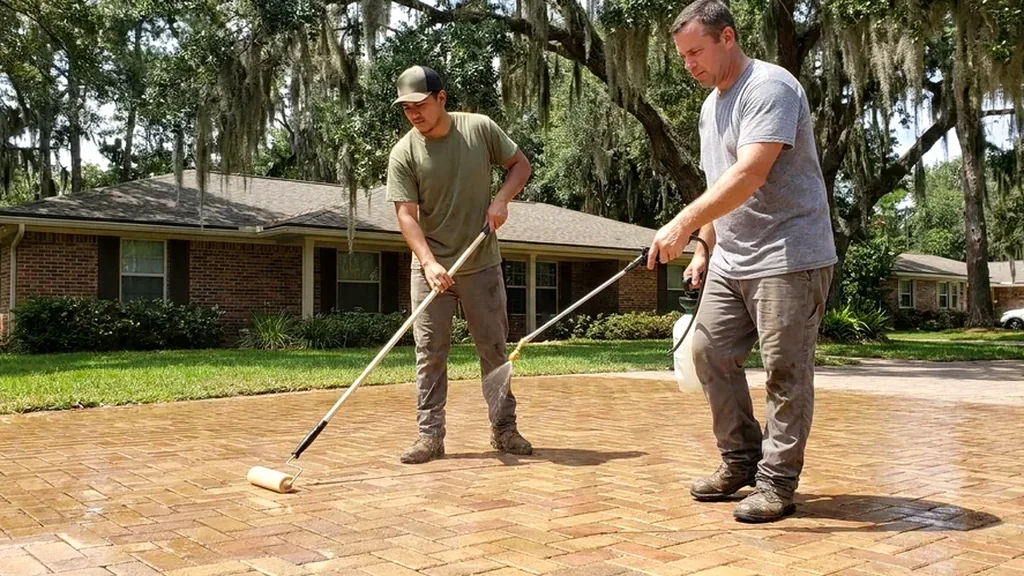
How does a paver sealing job work in Bayshore Gardens?
What you will see on the first visit
The contractor arrives, walks your lot and looks closely at what is already on the pavers. Expect questions about when they were laid and who sealed them. Stains, sunken spots and drainage get noted. Pavers added to a 1950s lot by earlier owners can hold coats of unknown type, so the contractor tests before picking a product. Ask about anything that worries you, from the screen cage to the planters. Tell the contractor about any garden beds, since they need covering.
What wash day looks like
Water and cleaner go over the surface in sections. Green film, rust spots and dirt lift away, and failing old sealer comes off. You may be asked to move cars and potted plants. If you have a screen cage or a pool, the contractor shields them from spray. The wash may go in more than one pass on the shaded side. A rinse at the end shows anything that needs another pass. Washing in the cooler hours keeps cleaner from drying on the stones.
Why the sand goes back in
A wash empties the seams. New sand is swept in until each seam is full, then the surface is brushed clean. This locks the pavers together and leaves weeds less room. It is also the step that shows how much sand your drive had lost. A fuller seam also keeps tire edges from chipping. If the seams were badly low, a contractor may add sand again after the first rain.
Why nothing happens for a while
After cleaning, the pavers need to dry all the way through. Near the bay, and after a summer shower, that can take longer than it looks. The contractor checks the forecast and holds off if needed. Turn the sprinklers off so nothing wets the surface. This is the step that decides the finish, so patience pays. Pool decks and screened patios are usually the last places to be ready.
When the sealer goes on
On sealing day, thin coats go on in your chosen finish. You can usually walk on the surface in a few hours. Keep cars off for about a day, or as long as the contractor says. The sealer looks darker at first and settles as it cures. Ask what product was used, and save the name. Wet footprints show on a fresh coat, so the area is marked off. A second coat is possible if the contractor and you agree on it.
Complete paver services in Bayshore Gardens
Start with a clean base. That means looking at what is on the pavers, washing, and putting sand back in the seams, and only then does sealer go on. Each step sets up the next, which means a rushed wash shows later in the finish. To hear how your lot would be handled, call (941) 207-3631.
Bayshore Gardens lots vary. A long drive may run beside a carport, a patio may sit behind a screen and a deck may edge a pool. Sun, water and feet wear each one differently. Say which of these you have when you request a free quote.
Sealer is a choice, not a default. Water-based or solvent-based decides what is compatible, and the look runs from natural matte to a glossy wet finish. An earlier owner's coat can narrow the field. For help choosing something that suits a 1950s home, call (941) 207-3631.
Sealer needs dry pavers, and summer storms and bay humidity both slow the drying. A contractor may move your day to suit. Plan on two to five years before the next coat, as companies commonly quote. To find an open date, request a free quote.
Questions to ask before you hire
- What area do you measure, and are the borders and steps counted?
- Will the sealer leave a glossy wet look, or can I choose a natural matte finish?
- Will the sprinklers need to be off, and for how many hours?
- How soon after my call can someone look at the job and give a number?
- Will afternoon storms push the job back, and how do you tell me about it?
- What happens to the weeds and moss growing between my pavers before sealing?
- How long do I keep cars off the driveway after the sealer goes down?
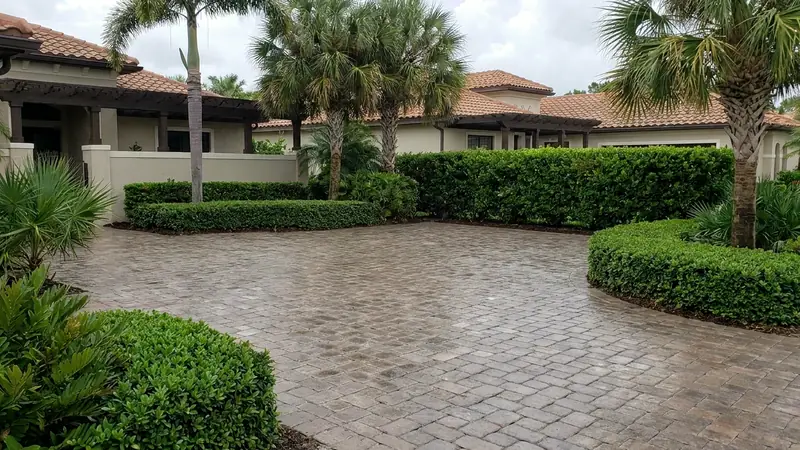
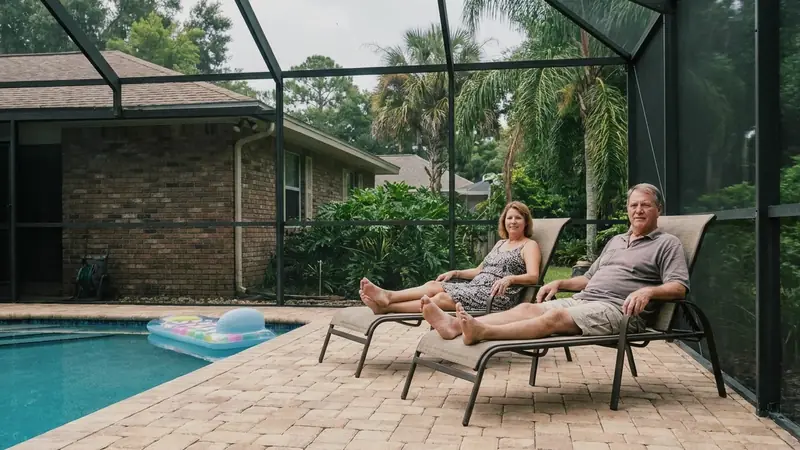
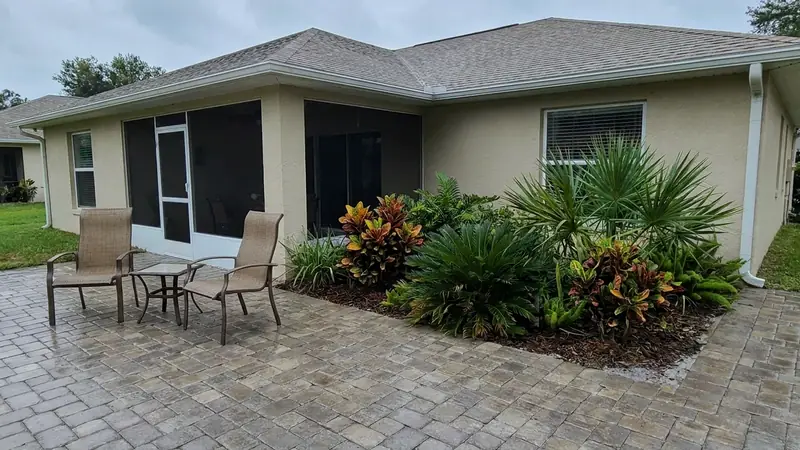
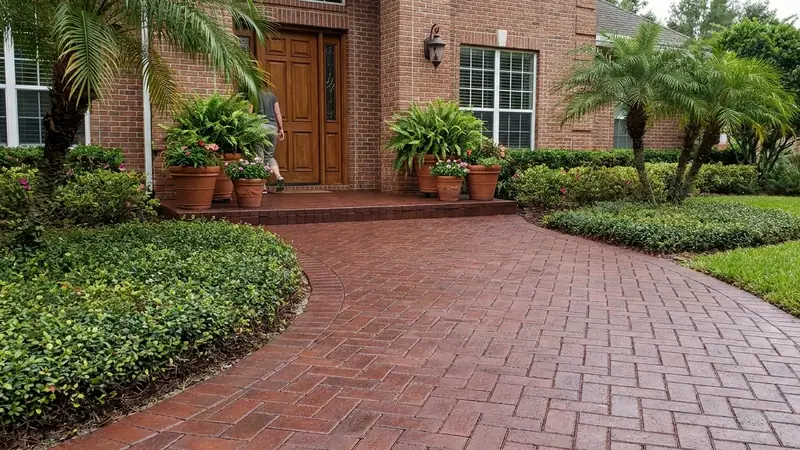
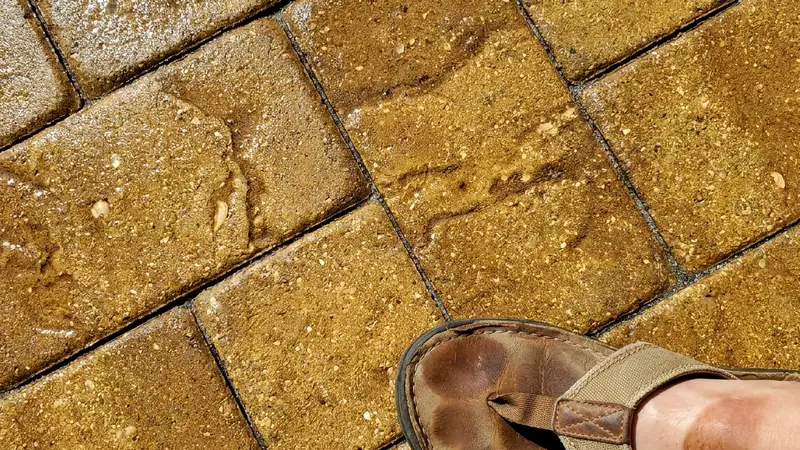
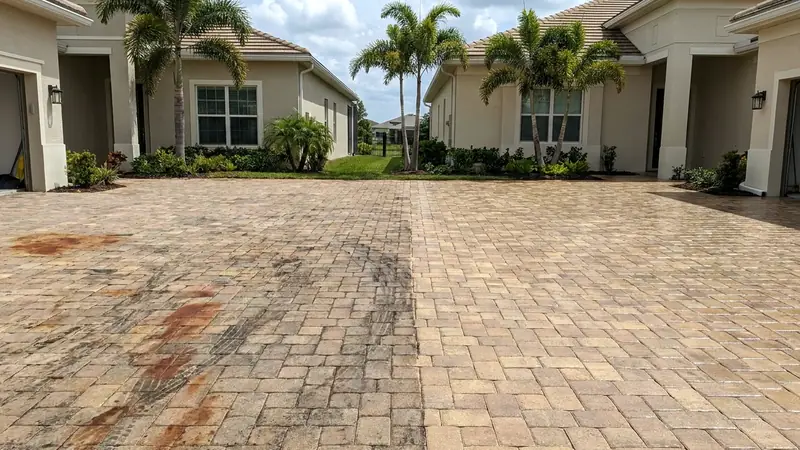
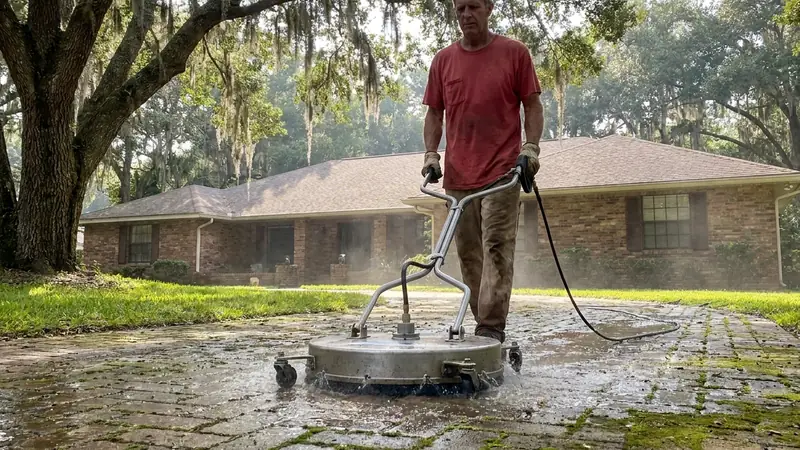
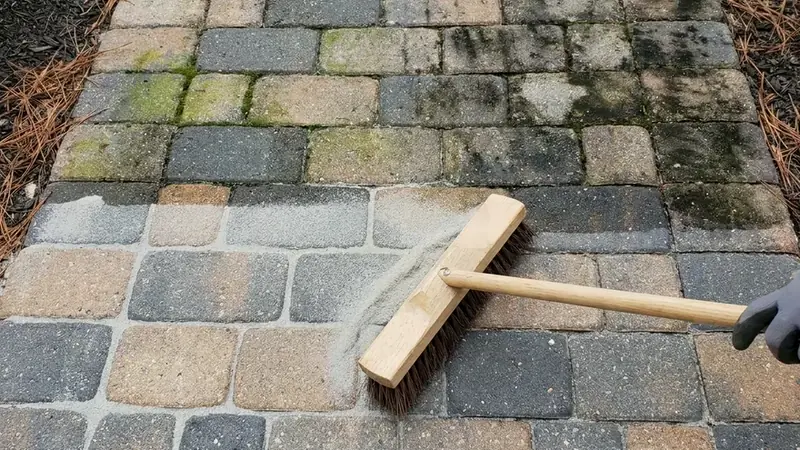
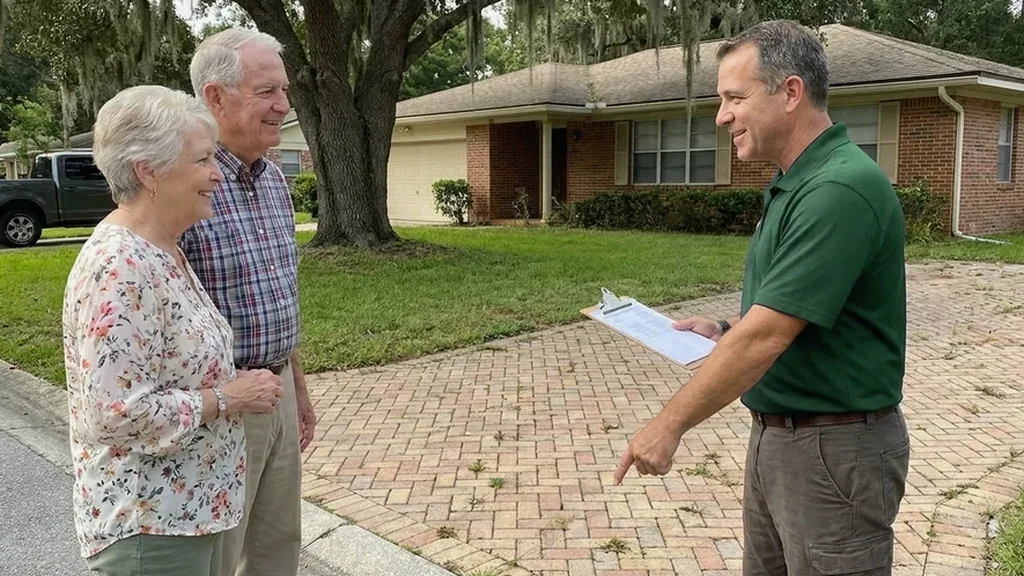
What do sealed pavers look like around Bayshore Gardens?
Why local matters in Bayshore Gardens
A contractor who works Bayshore Gardens knows the neighborhood was planned and sold as one piece in 1956, then built out by several builders. That explains why one block can hold three different driveways. To reach a contractor who works this part of Manatee County, call (941) 207-3631. Ask what the contractor looks for first.
Local knowledge helps with the bay as well. Sarasota Bay borders the neighborhood on the southwest, and Bowlees Creek runs along the southeast edge. Bay humidity and shade shape how fast pavers dry, and a local contractor plans washing and drying around them. To ask how that plays out on your street in Bayshore Gardens, request a free quote.
Nearby places make travel easy. South Bradenton is on the north edge, Whitfield is on the southeast, and State College of Florida's 100-acre campus is inside the neighborhood. A contractor already working in those areas can reach you quickly. Include your street in the request, with no obligation to hire, when you request a free quote.
Why does a 1950s planned neighborhood need a contractor who knows it?
Because it was built as a single plan, and that plan shaped every street. In 1955 a New York syndicate led by Sydney R. Newman paid about $2 million for 3,200 acres of former tomato fields, and the 1956 grand opening offered four model homes and seven designs, and 400 homes stood by April 1958. If your house is one of the early ones, call (941) 207-3631 and say so, since the earliest lots had the longest time to collect coats.
The Bayshore Gardens Shopping Center opened in 1959 with a Publix, and State College of Florida was established in 1957 on a 100-acre campus here. The Bayshore Gardens Parkway runs from U.S. 41 to 26th Street West, and the district has a marina, a pool and a ball field. Close to any of these spots, request a free quote and give your street name.
Frequently Asked Questions
How much does it cost to seal pavers in Bayshore Gardens?
Published prices around Southwest Florida run $1 to $3 per square foot, which covers the wash, new sand and the sealer. Rust, green film and an old coat can push a Bayshore Gardens quote higher. Ask for the measured square footage on the estimate. Each surface adds to the total. Each surface can sit on its own line in the quote. Each surface's share of the total can be shown to you.
How often should I seal pavers in Florida?
Companies commonly say two to five years. A drive in full sun every afternoon sits near the short end, while a walkway under shade can run longer between coats. A drop of water that soaks in rather than beading is the sign. The short end fits busy drives.
Is it better to spray or roll sealer on Bayshore Gardens pavers?
Many crews spray and then roll over the wet sealer, so it settles into the seams. The tool matters less than clean, dry pavers. Ask the contractor which way they work. Either method needs the pavers clean and fully dry.
What do professionals use to seal pavers in Bayshore Gardens?
Crews pick water-based or solvent-based sealer, and what is already down decides which. Most apply it after a wash and new sand. Hold on to the product name until the next coat comes due. Find out if the crew sprays, rolls or does both. Find out if the crew sprays, rolls or does both.
Does a 1950s home in Bayshore Gardens need special care when pavers are sealed?
It needs a contractor who tests first, because earlier owners added the pavers over many years. Terrazzo, wood and plants near the pavers should be shielded from rinse water. Mention anything fragile when you ask for a quote. A written scope helps. The University of Florida inventory of mid-century homes shows how much attention these houses draw.
Will rust from my well water stain sealed pavers in Bayshore Gardens?
Sealer does not remove rust, and iron in irrigation water can bring new streaks. Most Florida well water is high in iron, according to the University of Florida. Rust gets treated in the wash, and sealed pavers rinse cleaner afterward. Ask the contractor to point out the likely cause. A quick look at the lawn heads often points to the cause.
Can pavers be sealed in the Bayshore Gardens rainy season?
Only when the pavers are dry. Nearby Bradenton sees rain on about 114 days a year, so dates can slide. Ask how you would hear about a change. A second date stays in reserve. Even a short shower can reset the dry time.
Ready for a Free Estimate in Bayshore Gardens?
Call (941) 207-3631 and tell us about your pavers.
Free, no obligation